25 link in bio examples from top creators
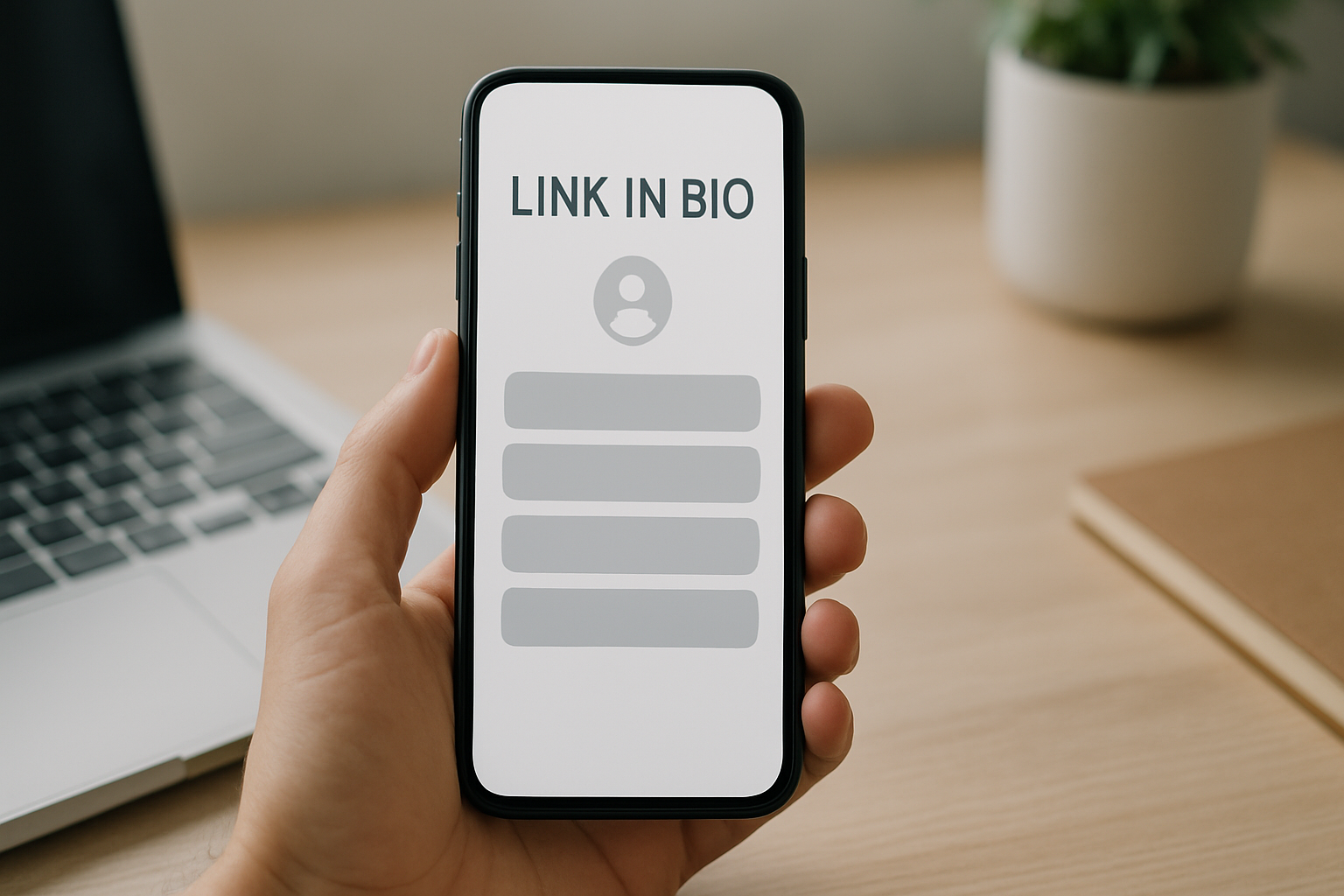
TL;DR: 25 link in bio examples from musicians, athletes, coaches, founders, and creators. See what works, steal the best ideas, and build yours in 5 minutes.
Every link in bio page does the same job: turn one clickable URL into a hub that sends followers exactly where you want them. The difference between a page that converts and one that wastes the click comes down to a few choices. The best link in bio examples share four traits. They lead with one clear priority instead of a wall of equal-weight buttons. They prove something (streams, sales, press) instead of just claiming it. They match the creator's actual brand, not a default template. And they load fast enough that nobody bounces before the page paints. Below are 25 link in bio examples grouped by creator type, each broken down by what's on the page, why it works, and the one element you can copy today.
Key Takeaways
- A strong page has one primary call to action, visible without scrolling, that matches your current goal.
- Proof blocks (stream counts, sold-out dates, verified reviews) lift click-through more than extra links.
- DataReportal's reports count over five billion social media user identities worldwide, so the page is often a stranger's first impression of you.
- Match the page to your platform context: a TikTok viewer and a LinkedIn visitor want different things.
- You can copy any of these patterns in about five minutes with a free tool.
What makes these pages work before the examples
Before the roundup, three principles hold across all 25. First, hierarchy beats abundance. Nielsen Norman Group research on banner blindness shows people skip anything that looks like a list of equal options, so one button has to win. Second, the page is rarely the destination; it's the doorway, and the fastest doorway wins the click. Third, context shifts intent: the same follower behaves differently arriving from a music video than from a sales newsletter.
Musician link in bio examples
Musicians win when the page answers one question fast: where do I hear this. The strongest music pages put a streaming priority above the fold, surface the newest release first, and use proof (monthly listeners, sold-out shows) to make the click feel safe. These five show the range.
- Indie artist promoting a new EP. A solo artist with around 40K followers leads with a single "Stream the new EP" button over a short looping video background, then drops smaller links to each platform below. What works: the release gets one hero slot instead of five competing icons. Steal this: give your newest drop a dedicated full-width button and demote the platform row beneath it.
- Touring band selling out small rooms. A four-piece links tour dates first, each row showing the city and a "Few left" tag, with streaming second. What works: scarcity on the dates makes the page feel urgent. Steal this: add a status tag to event rows so the page does the persuading.
- Producer building a sample-pack side income. An electronic producer puts a paid "Get the sample pack" tile up top, streaming below, and a tip jar at the bottom. What works: the page earns money, not just plays. Steal this: a single product tile above your listening links.
- Singer-songwriter with a strong email list. This page leads with "Join the list for unreleased demos," using the bio as a list-builder before sending people to streaming. What works: it captures the fan instead of renting them from a platform. Steal this: a lead-capture block as your first or second element.
- Cover artist driving YouTube subscriptions. A vocalist who posts weekly covers pins "Watch this week's cover" as the hero, with a subscriber count displayed as proof. What works: the count borrows credibility. Steal this: show a real number near your primary button.
Athlete link in bio examples
Athletes carry trust, and the best pages convert that trust into a clear action: a sponsor code, a training program, a ticket link. Verified proof matters more here than anywhere. A genuine "200K verified followers" or a brand-partner badge does the persuading. These four cover different sports and goals.
- Endurance runner with a kit sponsor. A marathoner leads with "Shop my gear (code RUN15)," the code shown as a copyable chip. What works: the discount makes the click worth it for the follower. Steal this: put the active code in the button, not buried in a caption.
- Combat-sport fighter selling a training app. A fighter puts "Start the 8-week program" first, with a short results stat underneath. What works: a specific timeframe beats a vague "train with me." Steal this: name the exact program length in the CTA.
- College athlete in the NIL era. A student athlete with a regional following stacks two brand-partner tiles up top, each with its own code, and links team merch below. What works: the page reads as a media kit a brand can trust. Steal this: a verified-partner badge near each sponsor link.
- Yoga and mobility coach. An instructor leads with a free "Class schedule" link, then a paid membership tile. What works: the free thing lowers the barrier before the paid ask. Steal this: lead free, monetise second.
Switch from Linktree in 60 seconds
Paste your Linktree URL — we'll bring over your links, bio, and avatar. Free forever, no credit card.
Import my Linktree →
Coach and educator link in bio examples
Coaches and educators sell themselves, so their pages have to build credibility quickly and route people toward a booking or a course. The pattern that works: a one-line promise at the top, a primary "Book a call" or "Start the course" button, then social proof close behind. Designer templates built for service businesses help here because they put booking front and centre.
- Business coach booking discovery calls. A coach leads with "Book a free 20-min call," a calendar embed opening right on the page, and a testimonial directly below. What works: zero extra clicks between intent and booking. Steal this: embed the scheduler instead of linking out to it.
- Online educator launching a cohort. A course creator puts "Join the next cohort (starts soon)" first with seats-remaining text. What works: the cohort date creates a real deadline. Steal this: surface the start date in the button copy.
- Nutrition coach with a free lead magnet. This page leads with "Get the free meal-prep guide," capturing emails, then offers paid coaching. What works: the freebie earns the contact before the pitch. Steal this: a free download as the top block, paid offer second.
- Language tutor selling 1:1 sessions. A tutor shows a short "Rated 4.9 by 300 students" proof bar, then "Book a lesson." What works: the rating answers the trust question before the ask. Steal this: a single proof bar above your booking button.
Founder link in bio examples
Founders use the bio to do two jobs at once: build a personal brand and funnel attention to the company. The best founder pages keep a clear split. One primary link to the product or waitlist, a secondary link to their writing or newsletter, and proof in the form of press or traction. Keep it to two priorities, not ten.
- SaaS founder driving free signups. A founder leads with "Try it free, no card," then a single "Read my essays" link. What works: the page resists the urge to list every social account. Steal this: cap yourself at two real priorities.
- Pre-launch founder building a waitlist. A founder in stealth puts "Join the waitlist (1,200 ahead of you)" first. What works: the count makes joining feel like momentum, not risk. Steal this: show waitlist size as proof.
- Newsletter operator monetising an audience. A writer leads with "Subscribe (free)," then a paid-tier upsell below. What works: the free tier grows the list that the paid tier monetises. Steal this: free subscribe first, paid tier as the second block.
- Agency founder generating inbound leads. This page leads with "See our work," a portfolio link, then "Book an intro call." What works: it lets the work qualify the lead before the call. Steal this: portfolio first, booking second, for any service business.
Local business link in bio examples
Local businesses live or die on three actions: directions, hours, and a way to order or book. The best local pages put a map and a "Get directions" button up top, show today's hours, and link ordering or reservations one tap away. A page that loads instantly matters even more on mobile, where most local searches happen.
- Neighbourhood cafe. A cafe leads with an embedded map and "Get directions," today's hours shown as a live chip, and "Order online" below. What works: it answers the two questions every local follower has. Steal this: map plus hours as your top two blocks.
- Boutique fitness studio. A studio puts "Book a class" first with a schedule embed, then a "First class free" tile. What works: the free trial converts the curious. Steal this: an intro offer right under your booking button.
- Independent restaurant taking reservations. A restaurant leads with "Reserve a table," menu second, photos third. What works: it prioritises the action that fills seats. Steal this: reservations above the menu, not below it.
- Local service provider (salon, detailer, trades). A mobile detailer leads with "Get a quote," a short form opening on the page, then before-and-after photos. What works: the quote form captures the lead at peak interest. Steal this: an on-page form instead of a phone number nobody calls.
Creator and influencer link in bio examples
General creators have the messiest goals: brand deals, merch, affiliate links, and a content archive, all at once. The best creator pages still pick a lead. They put the current priority (a new drop, a brand partner) up top and organise everything else into a clean grid below. Free analytics matter most for this group, because knowing which link earns clicks decides what goes in the hero slot next week.
- Lifestyle creator with a merch drop. A creator with around 80K followers leads with "Shop the drop," a countdown to launch, then an affiliate grid below. What works: the countdown turns the bio into an event. Steal this: a launch timer on your hero button.
- Beauty creator running affiliate links. This page organises products into a tidy 2x2 grid with prices, the top earner pinned first. What works: the grid scans faster than a stacked list. Steal this: a product grid sorted by what actually converts.
- Gaming streamer routing to live content. A streamer pins "Live now / next stream" with a schedule, then Discord and merch. What works: it answers "are you on?" instantly. Steal this: a live-status block at the very top.
- Travel creator with a content archive. A travel creator leads with "City guides (free)," a searchable link list, then affiliate gear below. What works: the guides keep people on the page longer, which lifts every secondary click. Steal this: lead with your most useful free content, monetise underneath.
A note on what these pages have in common: none of them force a third-party logo on the visitor, and the ones built for conversion all track clicks so the owner knows what to feature next. If you're studying link in bio inspiration, copy the structure, not the surface. The hierarchy is the part that moves numbers.
Frequently asked questions
What makes a good link in bio?
One clear priority above the fold, proof near the primary button, a layout that matches your brand, and fast load time. If a stranger lands on it and knows what to tap within two seconds, it's working. Everything else is secondary. See what is link in bio for the basics.
What should I put on my link in bio?
Lead with your current goal: a new release, a product, a booking link, or a signup. Add one or two supporting links and a proof element like a follower count or review score. Resist listing every social account. Pick what matters this week and demote the rest.
What are good link in bio ideas?
A countdown to a launch, an embedded booking calendar, a copyable discount code, a free lead magnet, a live-status block, or a product grid sorted by clicks. The best link in bio ideas tie directly to one measurable action. Borrow the patterns in the 25 examples above.
How many links should be on a bio page?
Fewer than you think. Banner-blindness research from Nielsen Norman Group shows people ignore anything that reads as a long equal-weight list, so one strong primary action plus three to five supporting links usually beats a wall of ten.
Do link in bio pages help with SEO?
They can, if the page is crawlable and lives on your own domain. A page on a generic shared subdomain passes little authority to you. The best link in bio pages use a custom domain so the traffic and search signals build your brand. See link in bio best practices.
Build yours in five minutes
Pick the example closest to your goal and copy its structure: one hero action, proof underneath, supporting links in a clean grid. That's the whole formula behind the best link in bio pages. You don't need a designer or a week of fiddling. Choose a template, drop in your priority link, add a proof block, and publish.
If you're moving from another tool, an import pulls your existing links over in about five seconds so you start from what you already have. Then watch the free analytics for a week and promote whatever earns the most clicks into the hero slot. For more setup detail, read link in bio for creators. Claim your handle free →