Show your revenue and social proof on your profile
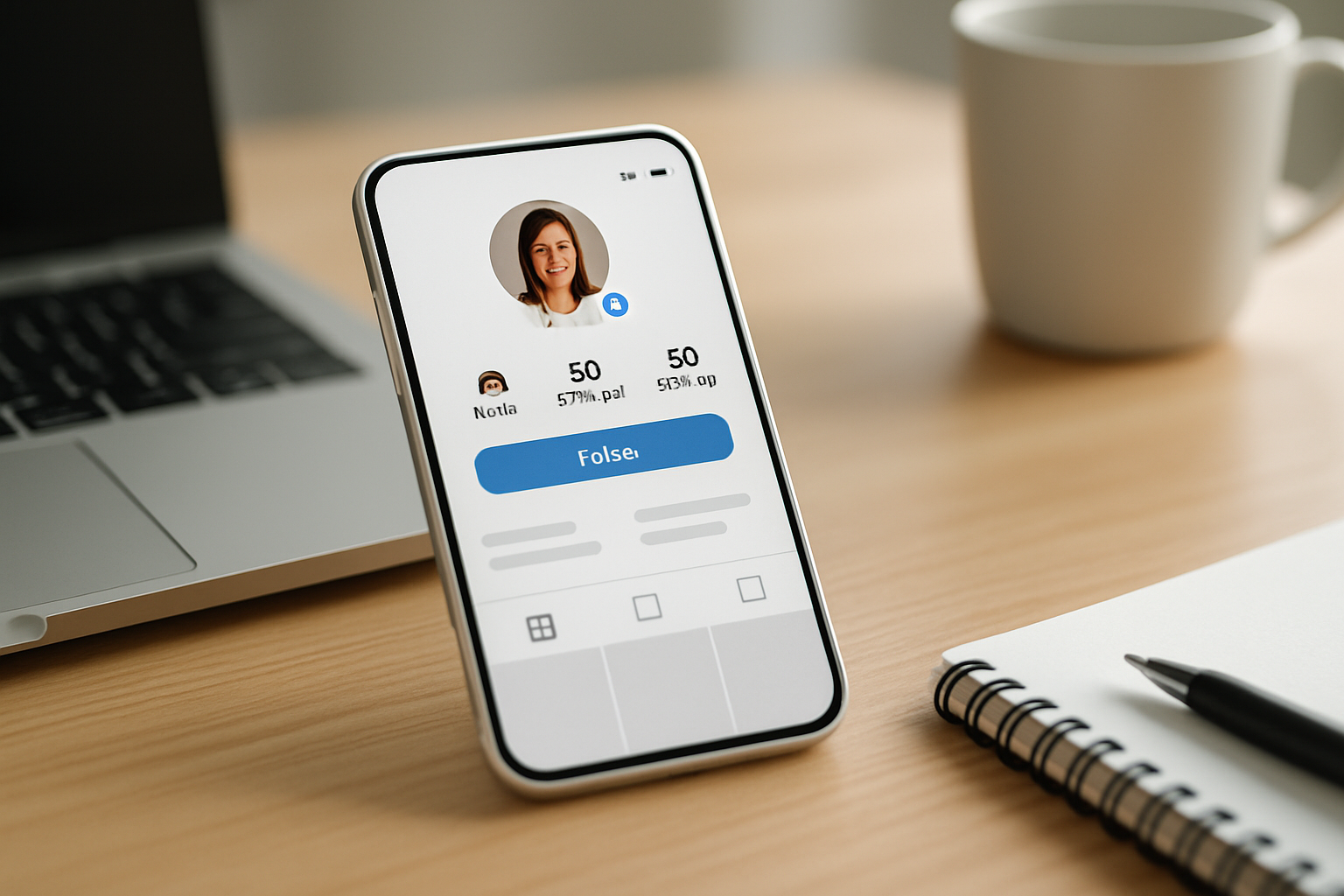
TL;DR: Build a verified social proof creator page: show live Stripe revenue, YouTube subs, and TikTok followers on your profile with proof blocks that update themselves.
You've seen it a hundred times. A creator posts "I made $40k last month" with a blurry screenshot, and half the comments are doubt. A coach claims "10,000 students" but the number never changes across two years of posts. Static claims are easy to make and easy to ignore, which is the problem with most social proof online. A verified social proof creator page fixes this by pulling live numbers straight from the source, so visitors see proof instead of a pitch. When your Stripe revenue, YouTube subscriber count, or TikTok following appears on your profile automatically and updates on its own, there's nothing to fake and nothing to doubt. This article shows you what to display, who each metric suits, how verified proof blocks work, and exactly where to place them so they actually convert.
Key takeaways
- People follow and buy based on evidence, not adjectives. Verified numbers lower the perceived risk of clicking or paying.
- Self-reported stats fail because screenshots can be edited and static figures go stale the moment you post them.
- Verified proof blocks connect to Stripe, YouTube, and TikTok, then display live, auto-updating, uneditable numbers on your public page.
- Put proof directly above your main offer. That's where it removes hesitation right before the decision.
- Only show real numbers. The entire value is that visitors can trust them.
Why social proof actually converts
People copy people. When someone lands on your profile, they're making a fast risk calculation: is this person legit, and is clicking worth my time? Evidence answers that faster than any tagline. The Nielsen research on advertising trust found that recommendations and visible signals from other people consistently rank among the most trusted inputs in a buying decision, well above brand-authored claims (Nielsen).
Social proof works because it shifts the burden of belief off you and onto the crowd. A subscriber count says thousands of people already decided you were worth following. Live revenue says strangers already paid. That's a different message than "trust me." It tells a visitor that the decision they're hesitating over has been made safely by many people before them, which is exactly the reassurance that turns a scroll into a click. For creators, this is the difference between a bio that lists links and a profile that earns action.
The problem with self-reported numbers
Self-reported stats have a credibility ceiling, and most creators hit it without realizing. A screenshot can be cropped, edited, or borrowed. A "50k followers" line typed into a bio is just text, indistinguishable from a number someone invented. And even honest figures rot: the moment you publish "earning $20k/mo," that number is frozen while your real business keeps moving. Six months later it's either an undersell or a lie, and the visitor has no way to know which.
There's a trust gap baked into manual numbers. The Edelman Trust Barometer has tracked a steady erosion of trust in claims people can't verify, with audiences increasingly defaulting to skepticism unless evidence is independent (Edelman). Static social proof asks the visitor to take your word for it. Verified, live proof removes that ask entirely. When the number is pulled from Stripe or YouTube in real time and you physically cannot type over it, doubt has nowhere to land. That's the whole point of a proof block: the credibility comes from the source, not from your say-so.
Switch from Linktree in 60 seconds
Paste your Linktree URL — we'll bring over your links, bio, and avatar. Free forever, no credit card.
Import my Linktree →
What to show, and who each metric suits
Show the one number that proves the thing you're asking people to do. More is not better. A single, undeniable metric placed well beats a wall of stats, and the right metric depends entirely on who you are and what you sell. If you want a refresher on the format itself, here's what is link in bio and how it works as your home base.
Match the proof to the goal:
- Revenue or MRR (founders, indie hackers, SaaS builders). Showing live Stripe revenue tells potential customers and investors the business is real and growing. Nothing answers "is anyone actually paying for this" faster than a live MRR figure. See link in bio for founders for how this fits a founder's page.
- Subscriber and follower counts (creators, YouTubers, TikTokers). A live audience number is instant authority for sponsorship pitches and new-follower conversion. It signals reach without a media kit. More on this in link in bio for creators.
- Sales or units sold (e-commerce, digital product sellers). "1,284 sold" reframes a product from untested to proven, which directly lowers purchase hesitation.
- Students enrolled (coaches, course creators, educators). A live enrollment count tells a prospective student they won't be the first to take a risk on your program.
Pick the metric that maps to your actual ask. A coach selling a cohort leads with students enrolled, not TikTok followers. A founder raising or selling leads with revenue. The proof should make the next click feel obvious.
How verified proof blocks work on MyLinks.page
A verified proof block connects directly to the platform that holds the real data, reads the number through that platform's official connection, and displays it live on your public page. You connect Stripe, YouTube, or TikTok once. From then on, the block pulls the current figure automatically, refreshes on its own, and stays uneditable. You cannot type a fake number into it, which is precisely what makes it worth trusting.
The architecture is straightforward, and the uneditable part is the feature, not a limitation:
Because the data flows one direction, from the source to the block to your profile, there's no step where you could alter it. Stripe reports your real revenue. YouTube reports your real subscriber count. The block displays exactly that, then updates so the figure on your page is never the stale number you typed months ago. Competitors generally let you paste a static figure or upload a screenshot. Live, source-verified proof is different in kind, not degree: the visitor isn't trusting you, they're trusting Stripe and YouTube, and you happen to be the person showing their data.
Where to place proof for conversion
Put your strongest proof block directly above your main offer. Conversion happens at the moment of decision, and the decision sits on whatever you're asking the visitor to click: buy the product, book the call, join the list. Proof placed immediately above that button does its job at the exact instant doubt would otherwise stop the click. Proof buried at the bottom of the page gets seen after the decision is already made, which is too late.
The Nielsen Norman Group's research on how people read web pages found that attention concentrates heavily near the top and drops sharply as users scroll, following an F-shaped pattern (Nielsen Norman Group). Your proof should sit inside that high-attention zone, not below the fold. A practical order that works on most profiles: a short identity line at the top, then your verified proof block, then your primary call to action, then secondary links. Lead with who you are, prove it instantly, then ask. When the proof and the ask are adjacent, the number does the persuading and the button just collects the yes.
Honesty is the whole point
Only show real numbers, because the value of verified proof is that it's true. This sounds obvious, but it's the rule that makes everything above work. The reason a live revenue figure converts is that visitors have learned to distrust the fakeable kind. The instant verified proof becomes something people can game, it loses the trust that made it valuable in the first place.
This is also why uneditable matters more than it looks. You're not just showing a good number today, you're making a standing promise that the number is real every time someone checks. A small, honest figure pulled live from Stripe builds more long-term trust than an impressive number nobody believes. If your MRR is $3k, show $3k: a prospective customer who sees a real, growing figure trusts you more than one who suspects you inflated it. The creators who win with proof blocks treat the number as a relationship, not a billboard. Show what's true, let it grow on its own, and the proof keeps compounding.
Frequently asked questions
What is a verified proof block?
A verified proof block is a section on your profile that pulls a live number directly from a connected platform like Stripe, YouTube, or TikTok. It updates automatically and can't be edited by hand, so visitors see a real, current figure instead of a self-reported claim.
Should I show my revenue publicly?
It depends on your goal. Founders, indie hackers, and SaaS builders often benefit, because live revenue proves the business is real and growing to customers and investors. If your numbers are early, a small honest figure still builds more trust than a vague claim. You control whether the block is visible.
How do you prove follower counts to sponsors?
Connect your YouTube or TikTok account to a verified proof block, and your profile displays the live, source-verified count automatically. Instead of sending a screenshot a sponsor has to take on faith, you share a public page where the number comes straight from the platform and updates on its own.
Do proof blocks update automatically?
Yes. Once you connect a source, the block refreshes the figure on its own. You don't update anything manually, and the number on your page reflects current data rather than whatever you typed when you set it up.
What if my numbers are small right now?
Show them anyway. A real, modest number that's clearly growing reads as more credible than a big one nobody trusts. Verified proof works because it's honest, and visitors reward honesty with action. Small and true beats large and doubted.
Start proving it, not claiming it
Claims are cheap and everyone makes them, which is exactly why they've stopped working. A verified proof block changes the conversation on your profile from "trust me" to "check for yourself," and that shift is what turns visitors into followers and customers. Connect Stripe, YouTube, or TikTok once, place the block right above your main offer, and let live numbers do the persuading while you focus on the work behind them. The number stays honest because you can't touch it, and that's the feature.
Pick the one metric that proves your ask, put it where the decision happens, and watch hesitation drop. Claim your handle free → and turn your real results into proof that updates itself.